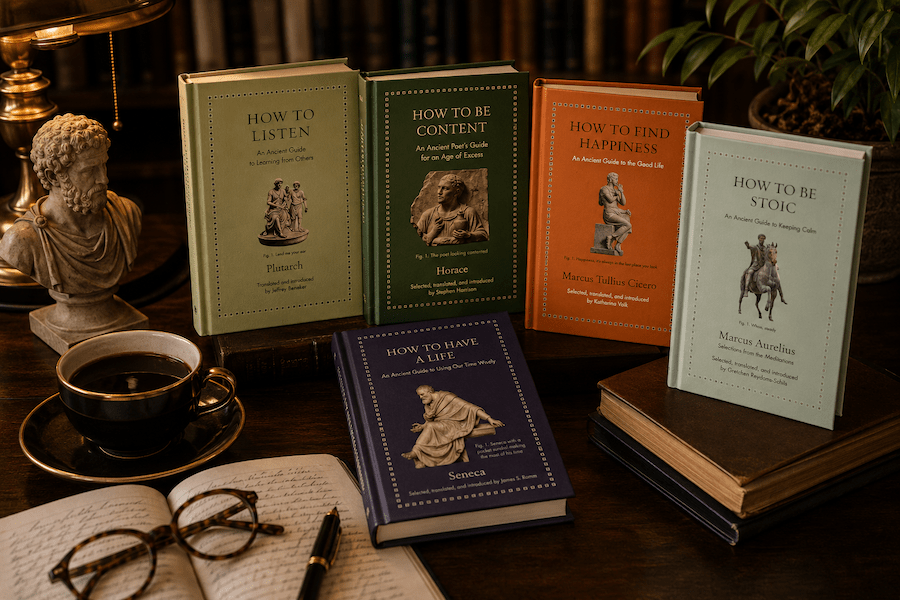
Princeton University Press’s quietly extraordinary series brings classical thought back to life for modern readers.
At a time when publishing feels increasingly divided between academic opacity and algorithmic self-help, Princeton University Press has quietly produced one of the most elegant literary projects of the last decade. Its Ancient Wisdom for Modern Readers series, now spanning more than fifty compact hardcovers with additional titles forthcoming, restores the ancient world not as an object of study, but as a companion to modern life.
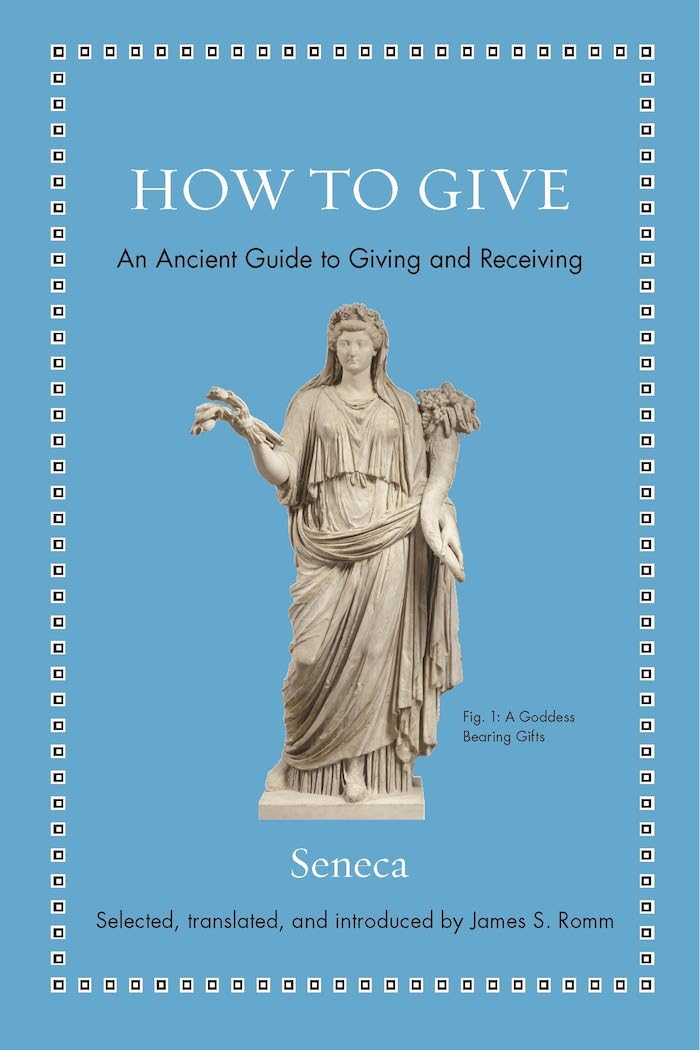
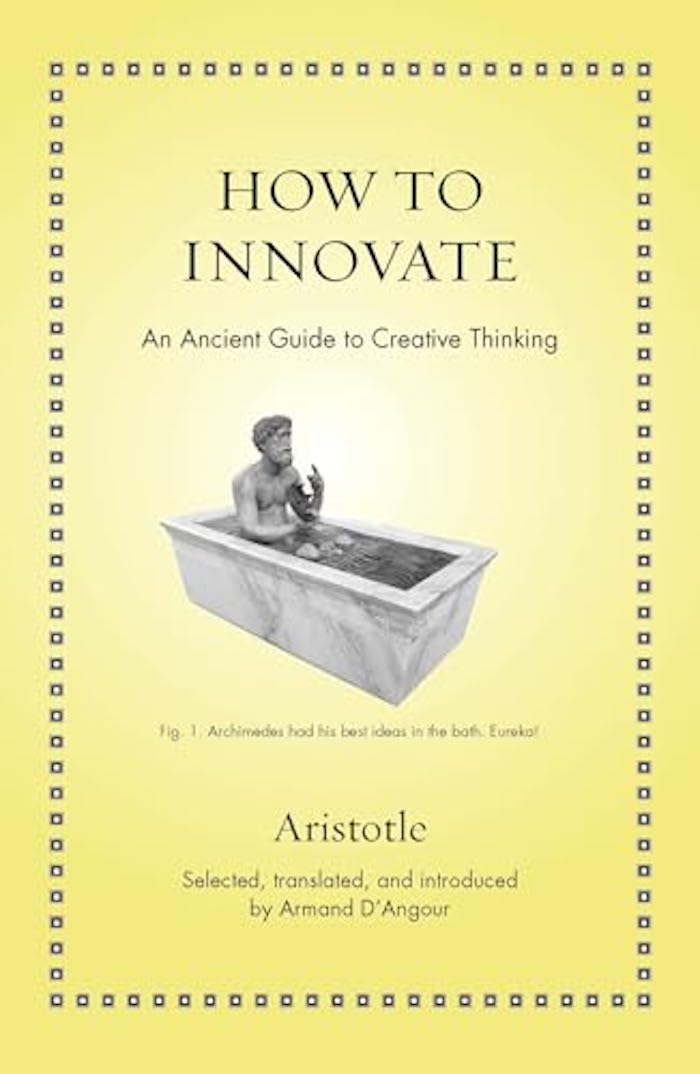
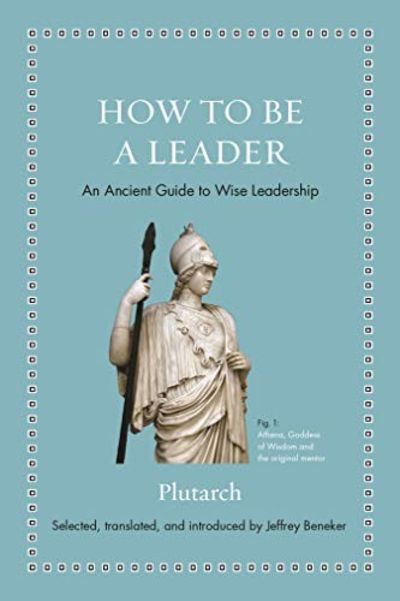
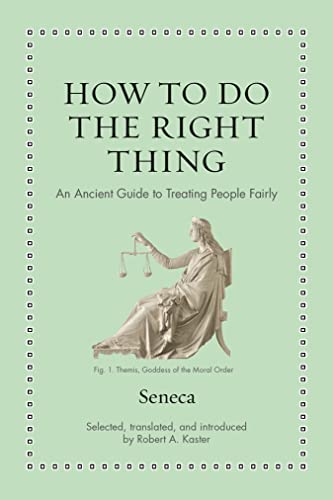
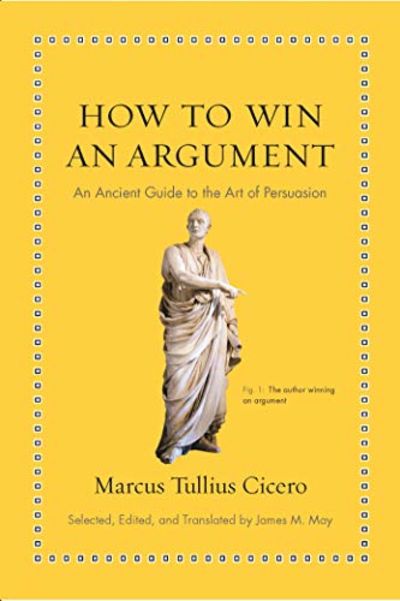
The books themselves are immensely seductive. Beautifully proportioned, tactile little hardcovers with restrained typography and jewel-toned jackets, they possess the quiet glamour of a cultivated private library. One slips easily into a coat pocket, carry-on bag, or bedside stack. In an age of disposable digital consumption, they remind us of the sensual pleasure of books as physical objects.
“These are not books one merely reads, but books one lives beside.”
Yet the true brilliance of the series lies in its accessibility. Princeton has enlisted gifted translators and classicists capable of rendering ancient thought lucid, intimate, and startlingly contemporary without draining it of complexity. Rather than presenting antiquity as a museum artifact, these volumes make Aristotle, Seneca, Cicero, Plutarch, and Horace feel vividly alive to modern anxieties about ambition, distraction, ego, happiness, and meaning.
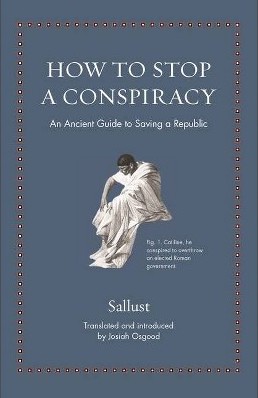
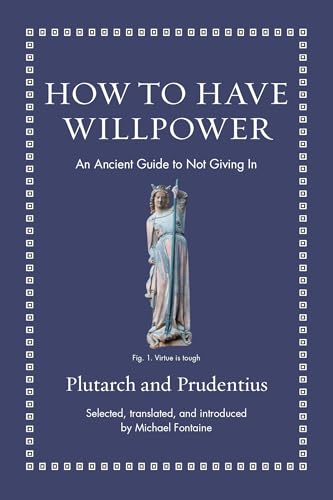
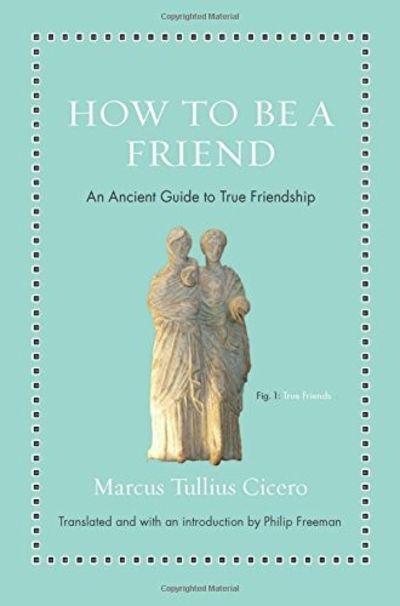
Among the standouts is How to Listen, in which Plutarch warns against people who treat conversation as performance rather than inquiry—a diagnosis that feels uncannily suited to the age of social media. Stephen Harrison’s How to Be Content, drawn from Horace, explores the pathology of endless dissatisfaction and the inability to recognize what is enough. Meanwhile, How to Be a Stoic, drawn from the writings of Marcus Aurelius, offers a surprisingly intimate portrait of self-mastery and emotional discipline. Far removed from the caricature of stoicism as emotional suppression, the book instead presents it as a philosophy of inner steadiness, dignity, restraint, and moral clarity in the face of chaos.
The Cicero and Seneca volumes become especially illuminating when read together. Cicero’s How to Find Happiness systematically dismantles the idea that pleasure or comfort can provide lasting fulfillment, arguing instead that virtue alone offers stability against fortune’s reversals. Seneca’s How to Live feels more intimate and corrective, less interested in defining wisdom than in asking why human beings continue living against their own better understanding. Read consecutively, the two books reveal the difference between understanding philosophy and actually practicing it.
What makes the collection so valuable is that it never reduces classical wisdom into shallow motivational slogans. These books preserve the rigor, ambiguity, and humanity of the original texts while making them genuinely pleasurable to read. Read together, the series begins to resemble a sprawling conversation across centuries about how to live with dignity, intelligence, moderation, and self-command.
There are many intelligent books being published today, and many beautiful ones. Few manage to be both in quite this way. One finishes these compact volumes with the peculiar sensation that the ancient world has not vanished at all, but merely been waiting for translators perceptive enough to restore its human voice.
–Ghalib Dhalla
For more information visit https://press.princeton.edu/

