

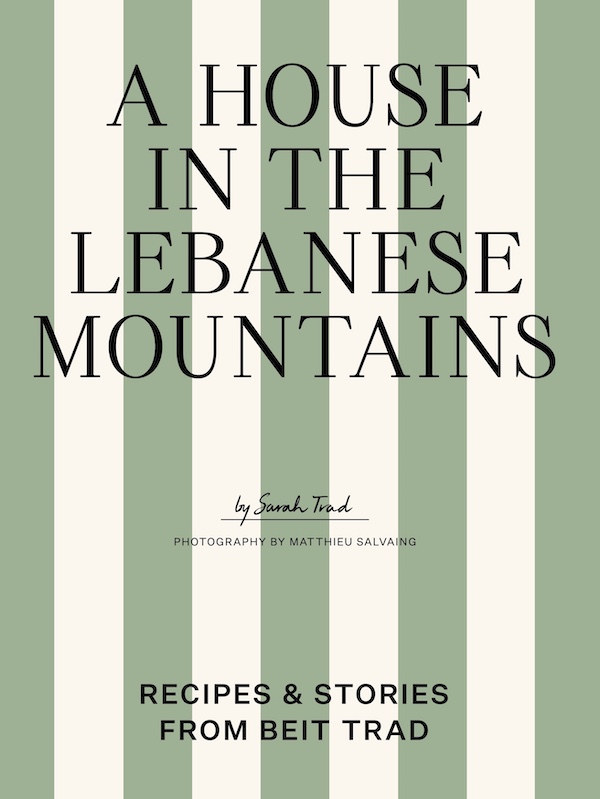
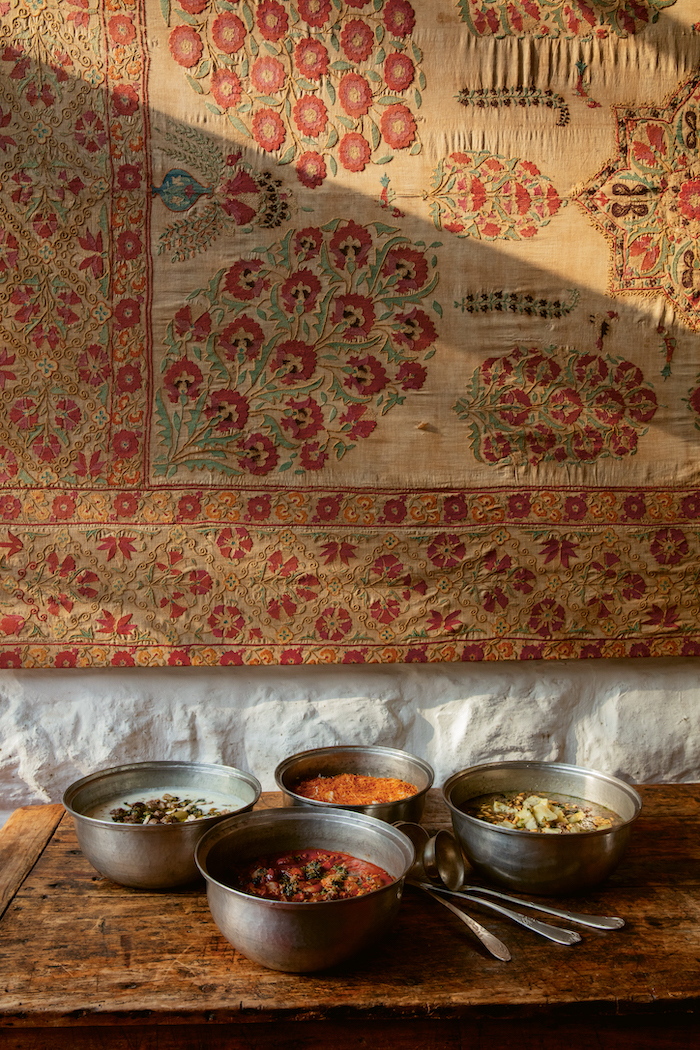
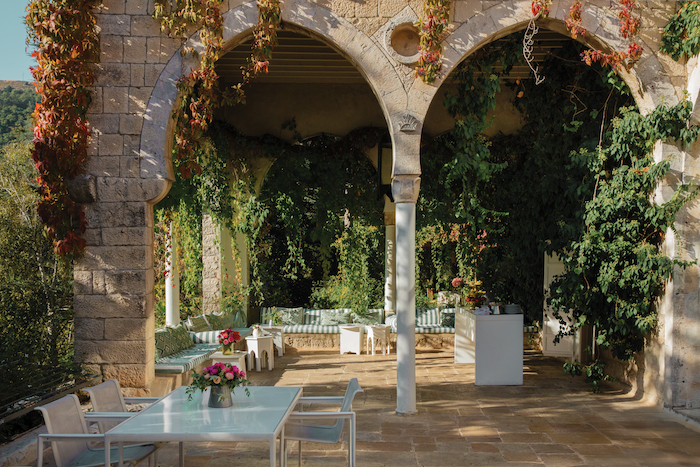
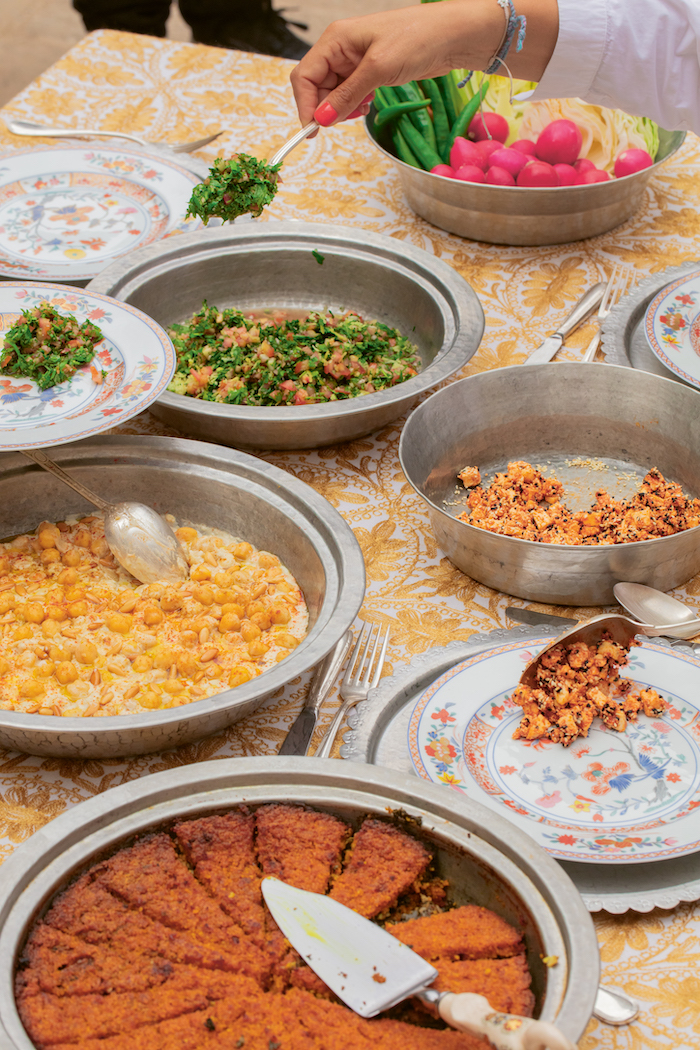
A House in the Lebanese Mountains: Recipes & Stories from Beit Trad (Thames & Hudson) Perched in the Lebanese mountains above Beirut, Beit Trad offers a seductive counterpoint to familiar narratives of a region defined by conflict. This intimate volume enters Sarah Trad’s family home turned guesthouse, where Lebanese hospitality, inherited traditions, and an instinct for theatrical interiors converge. Damascus souk treasures and Beirut flea-market finds mingle with Western accents, while terraces open toward the Mediterranean and food remains central to the ritual of welcome. With 170 color illustrations and recipes ranging from vibrant vegetable dishes to stews, meats, and desserts, the book becomes something richer than a house tour: a celebration of Levantine beauty and douceur de vivre.


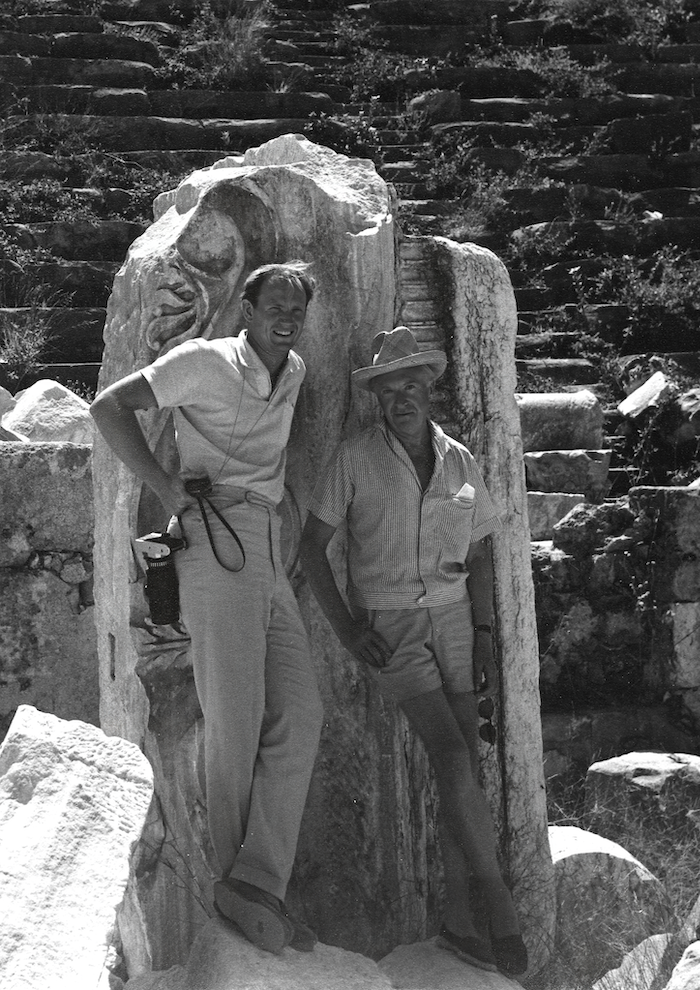
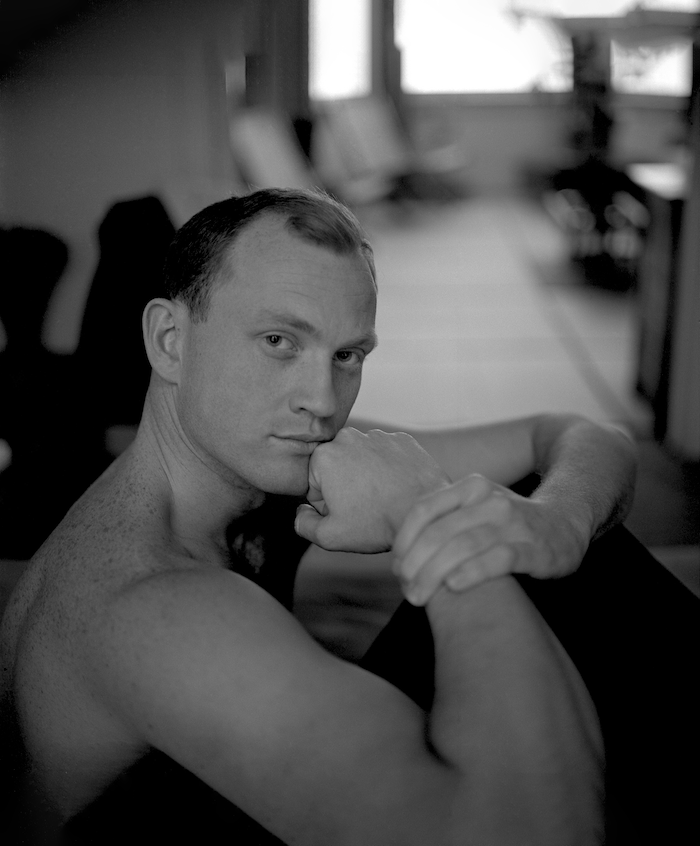
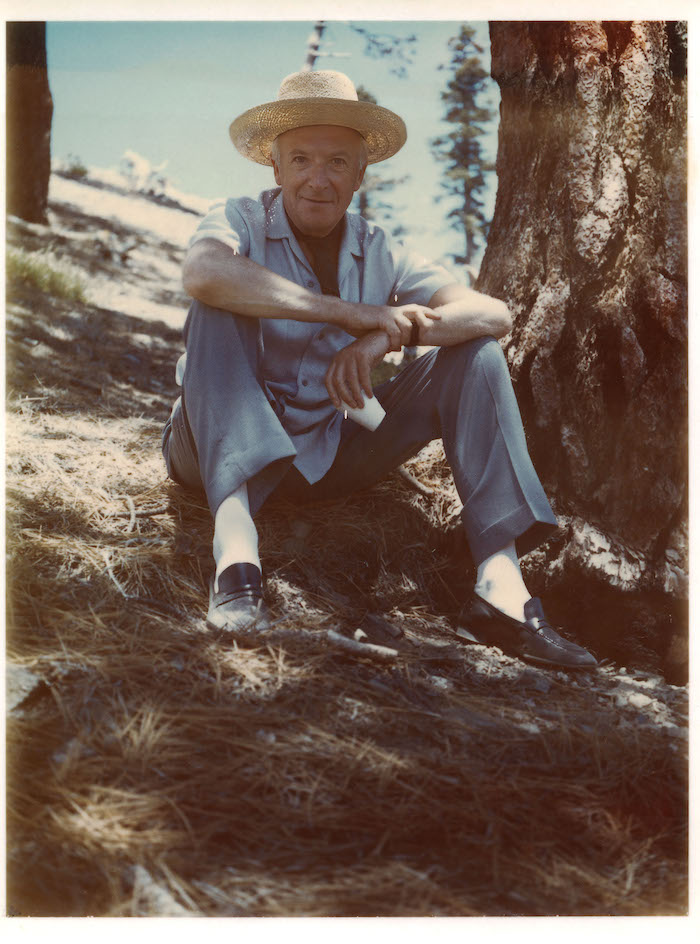
Cecil Beaton in Love by Andrew Ginger (Rizzoli) Rather than revisiting Cecil Beaton through the familiar milestones of his celebrated career, this intimate volume frames his life through the transformative relationship that brought him his greatest measure of personal contentment. Drawing on previously unpublished photographs and deeply revealing correspondence with Kinmont Hoitsma, the book uncovers a quieter, more vulnerable Beaton, one finding emotional refuge after decades of guarded relationships. Their story unfolds alongside his work in photography, fashion, theater, and design, revealing how art and private life became increasingly intertwined. The result is a deeply affecting portrait of creative brilliance illuminated by the possibility of late-found love.
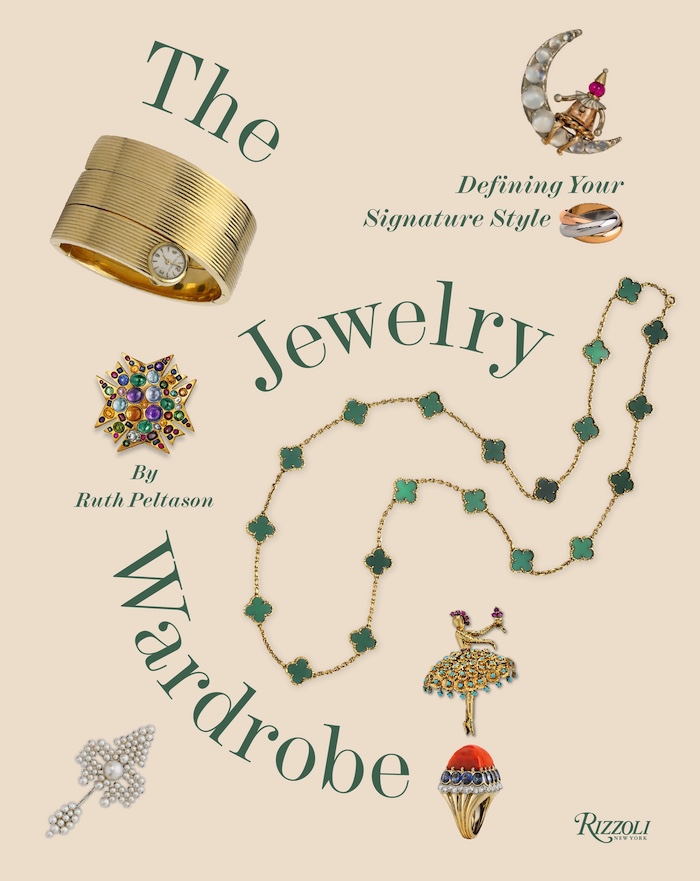
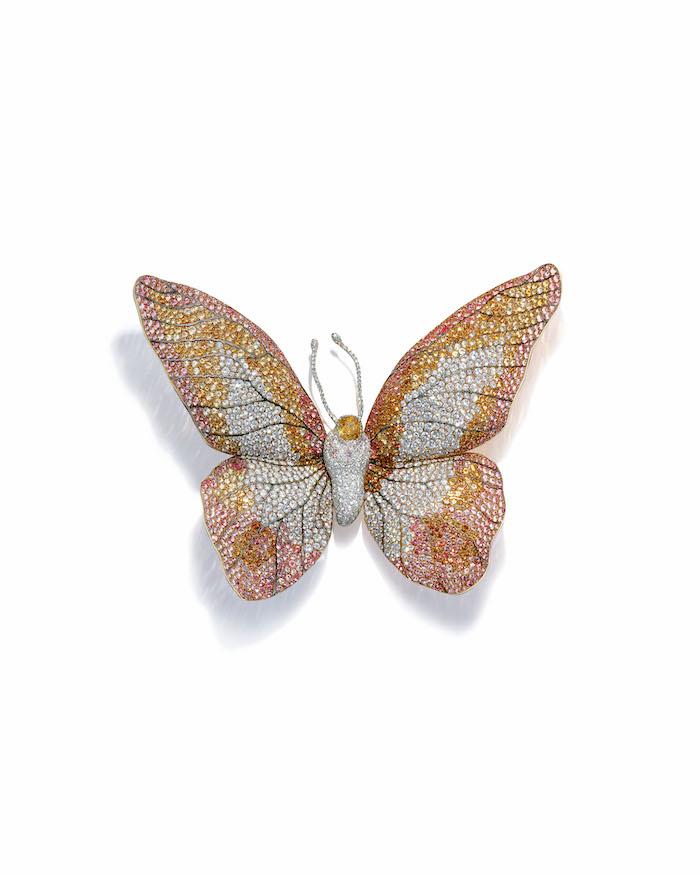
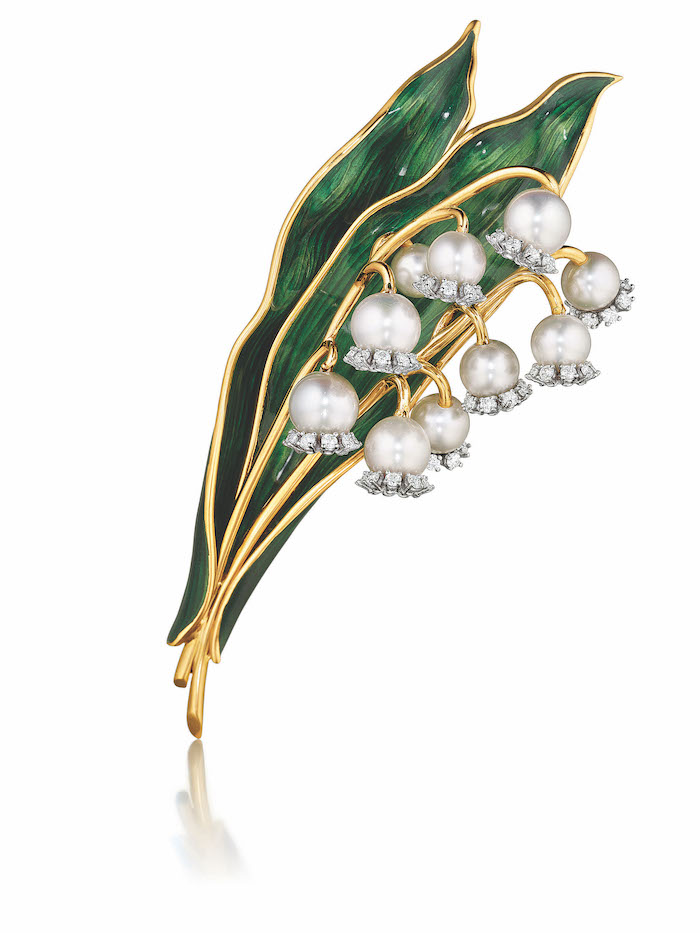
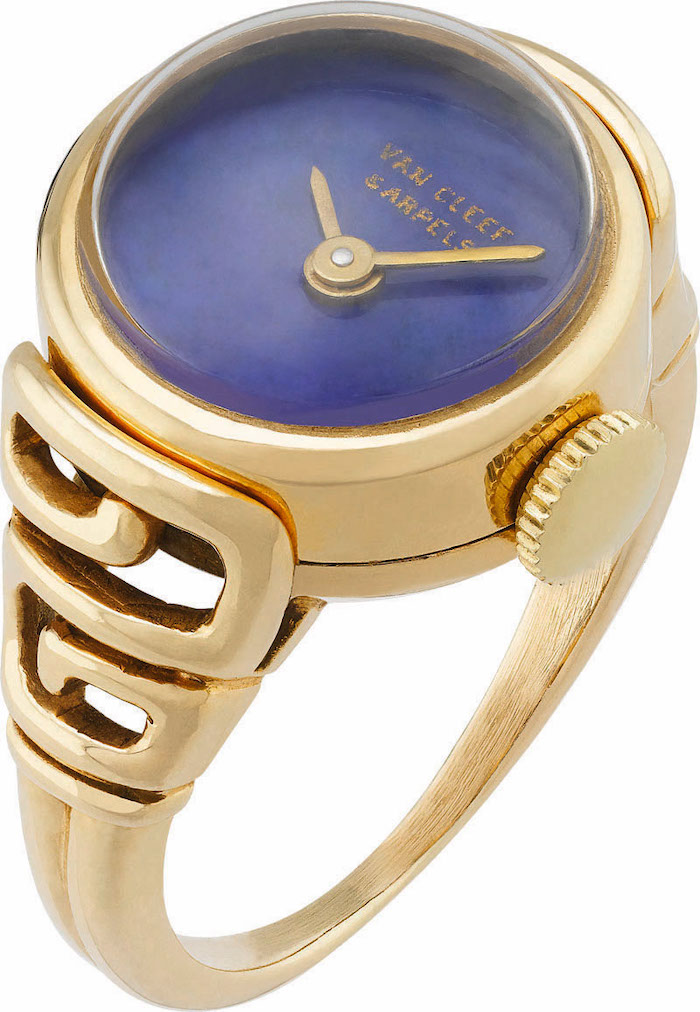
The Jewelry Wardrobe: Defining Your Signature Style by Ruth Peltason, Miki Lowe (Rizzoli) A great jewelry collection is less about accumulation than autobiography, and this sumptuous volume makes a persuasive case for choosing pieces that express a life rather than follow a season. More than 350 photographs span 80 jewelers, from Cartier, Tiffany, Bulgari, and Van Cleef & Arpels to Verdura, Elsa Peretti, Hemmerle, and Taffin. Organized by accoutrement, it moves elegantly through necklaces, earrings, bracelets, watches, and enduring icons of design. Part visual feast, part discerning guide, the book captures that elusive quality separating merely beautiful jewelry from the pieces one reaches for year after year.
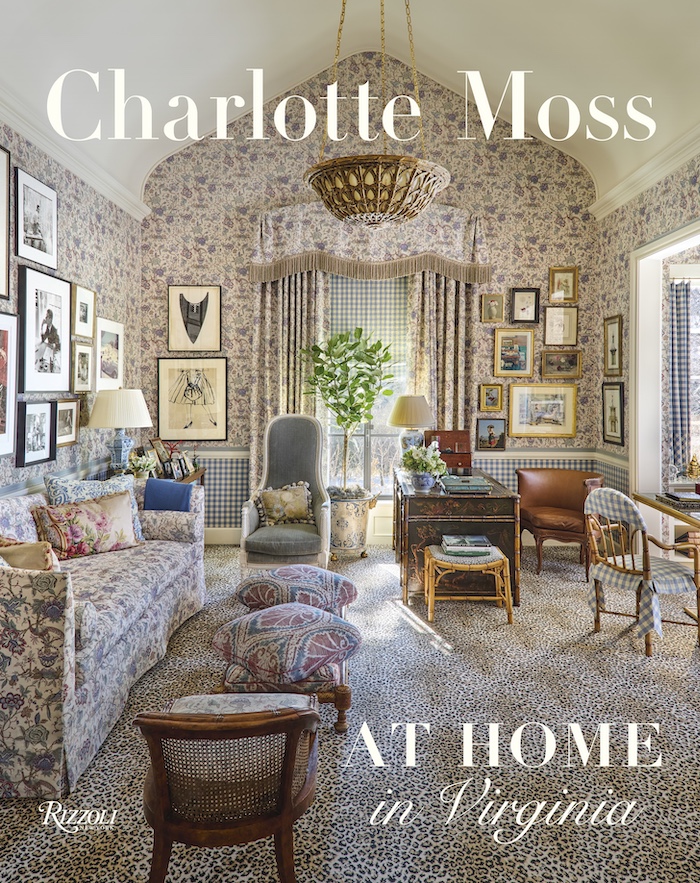

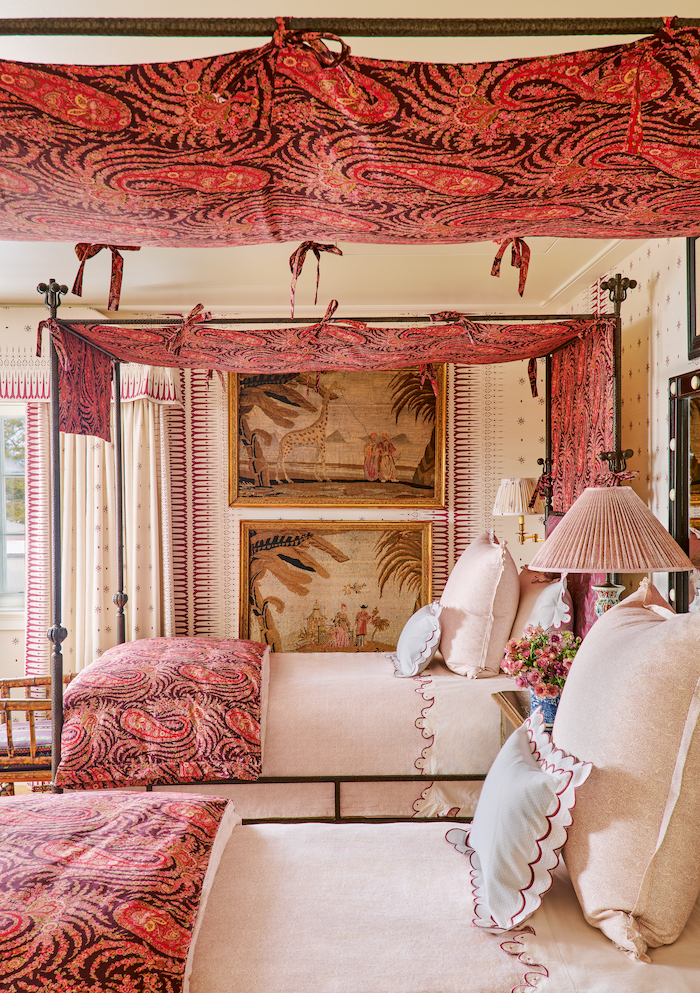


Charlotte Moss: At Home in Virginia by Charlotte Moss (Rizzoli) The most compelling houses are less decorated than accumulated, revealing their owners through layers of memory, influence, and imagination. Charlotte Moss’s Virginia retreat exemplifies this philosophy, unfolding from gracious rooms and flower-filled workspaces to gardens and a secluded tower made for contemplation. Pieter Estersohn’s evocative photography is enriched by images from Moss’s archives, tracing inspirations from medieval towers and European palaces to Sissinghurst. Bespoke murals, ironwork, and an architectural garden rill add further enchantment. Intimate without sacrificing grandeur, the book offers something rarer than a catalogue of beautiful interiors: a portrait of how a seasoned tastemaker chooses to live.
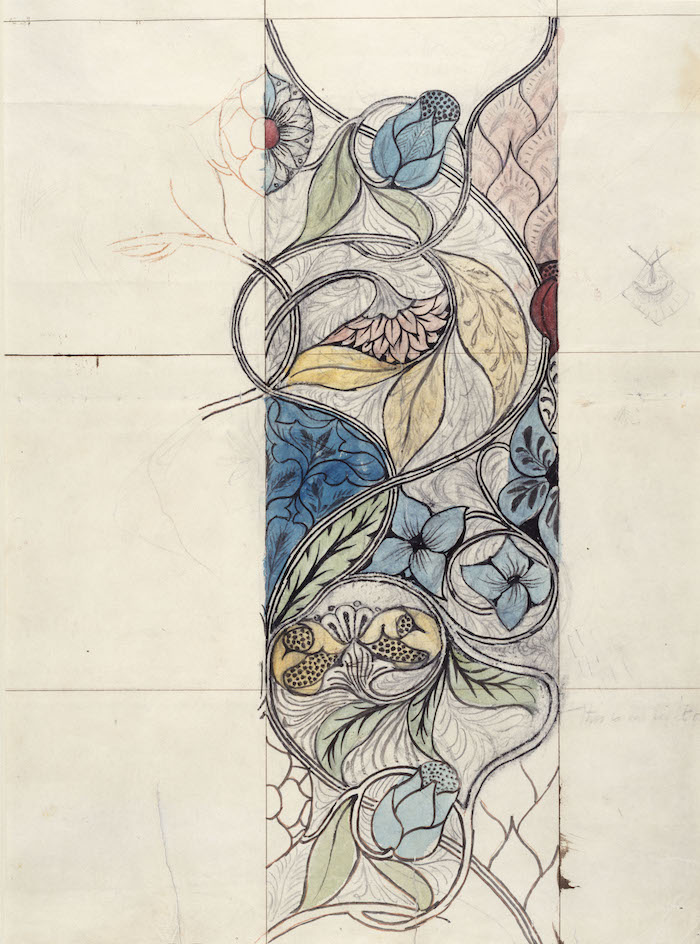
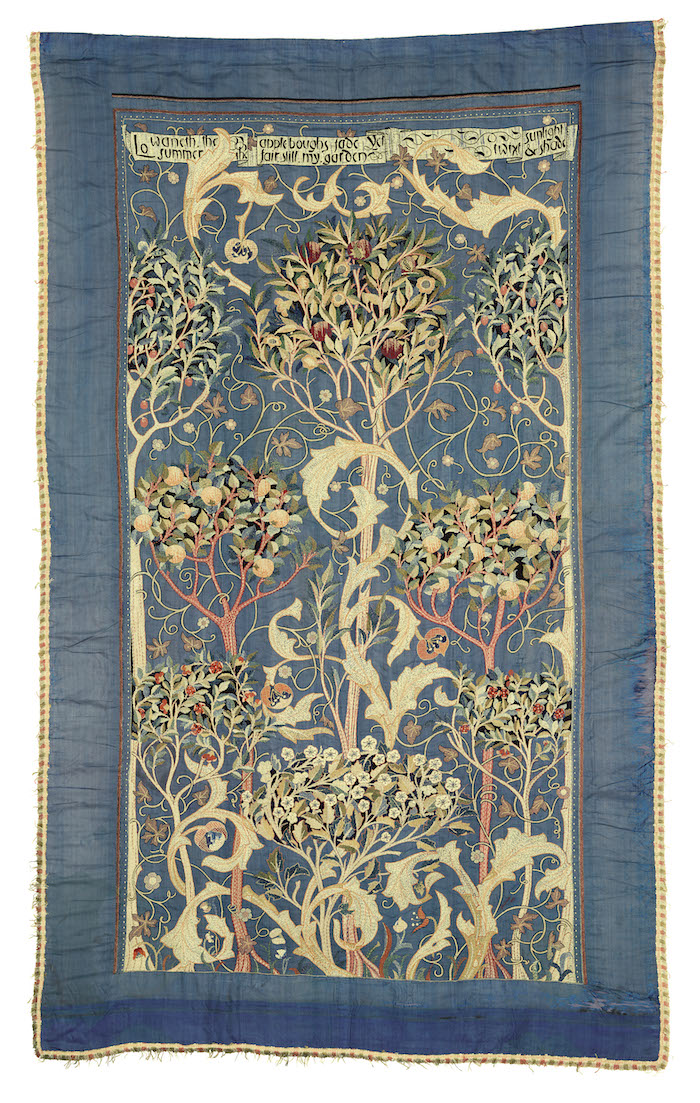
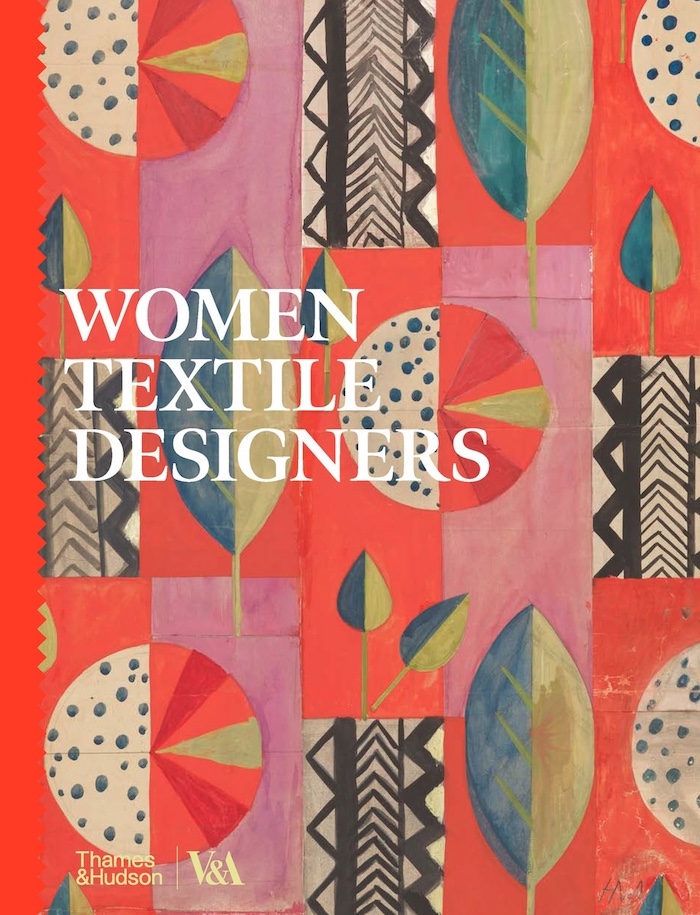
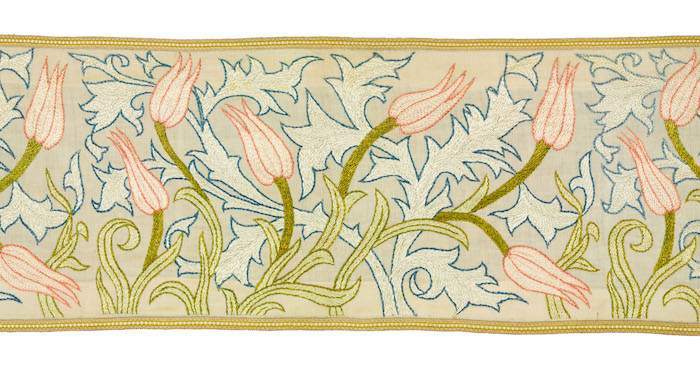
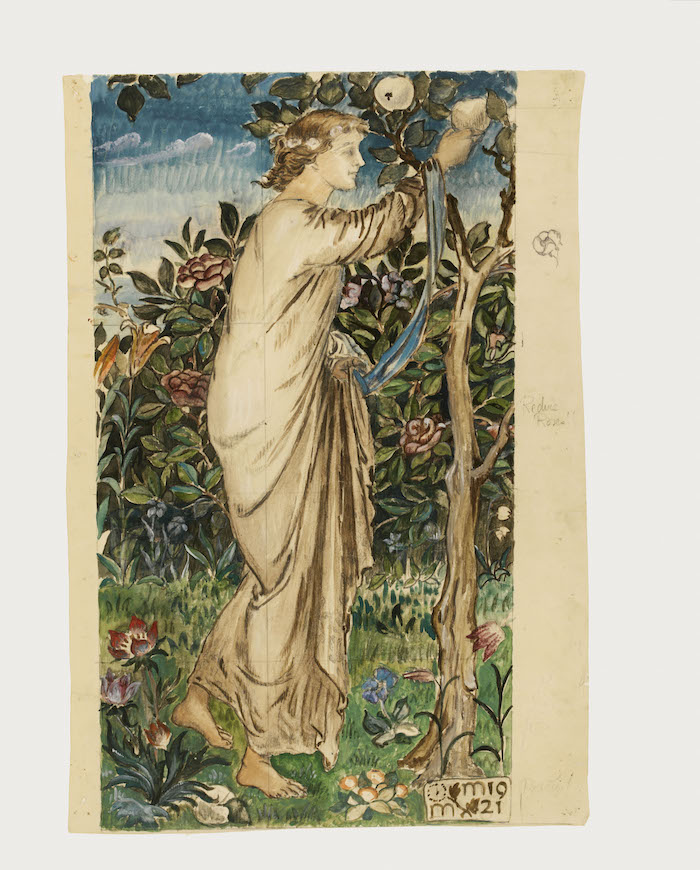
Women Textile Designers by Victoria Bradley, Elizabeth Currie (V&A Museum) Behind some of modern design’s most memorable patterns lies a remarkable lineage of women whose influence has too often been relegated to the margins. Drawing on the Victoria and Albert Museum’s collections and beyond, this illuminating survey moves from May Morris and Bauhaus innovators Anni Albers and Gunta Stölzl to Althea McNish and Reiko Sudo. Alongside individual profiles, it charts changing technologies, tastes, and opportunities as women became educators, entrepreneurs, and industry leaders. With 270 color illustrations spanning woven, printed, and embroidered works, it is both a visual delight and a persuasive rewriting of twentieth-century design history.
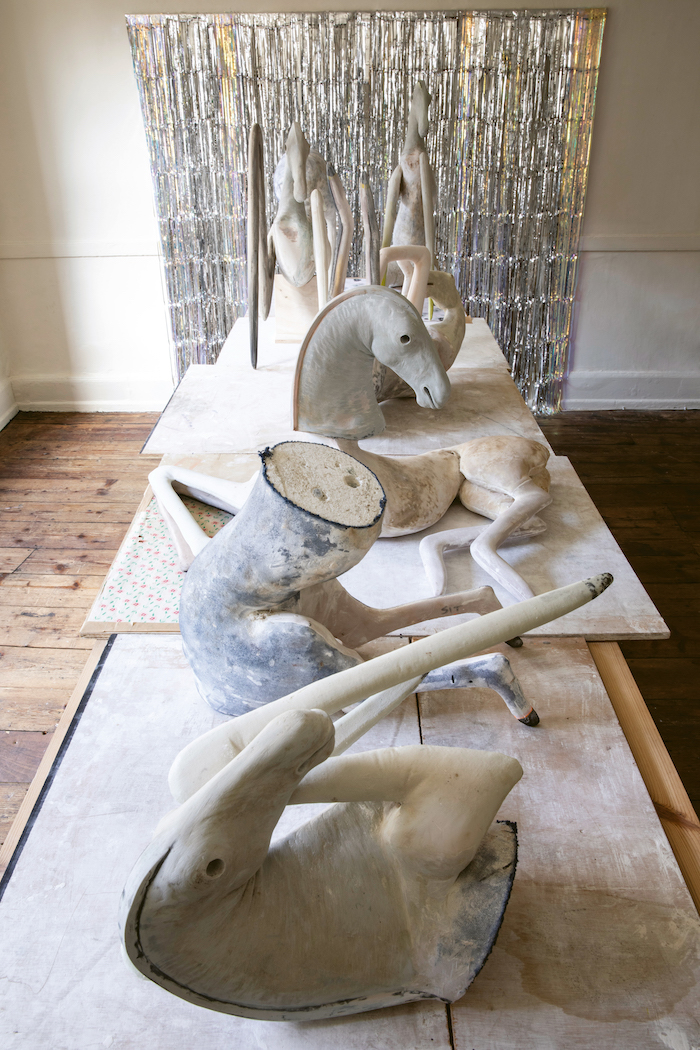
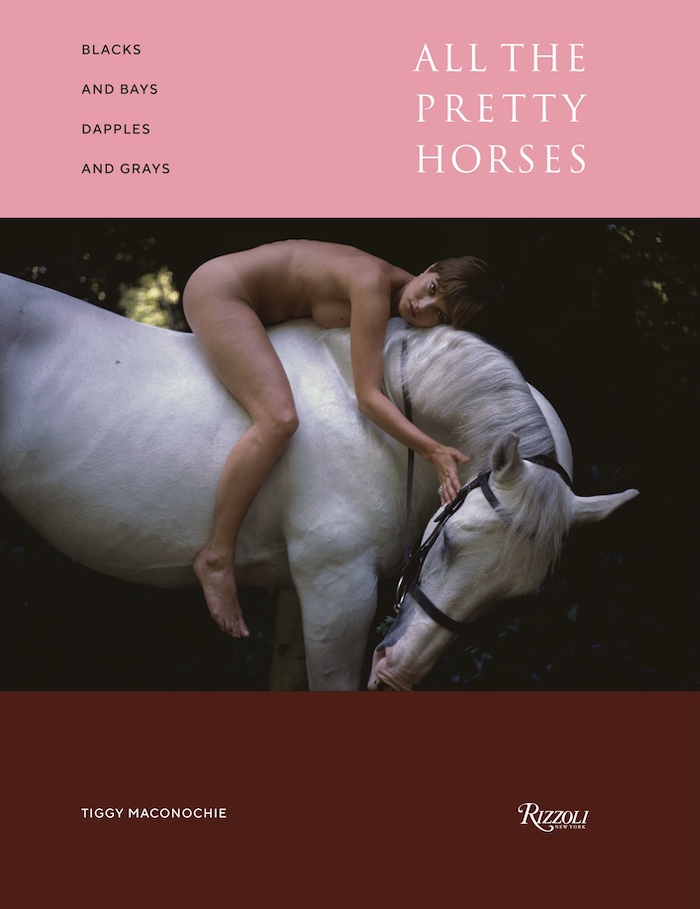
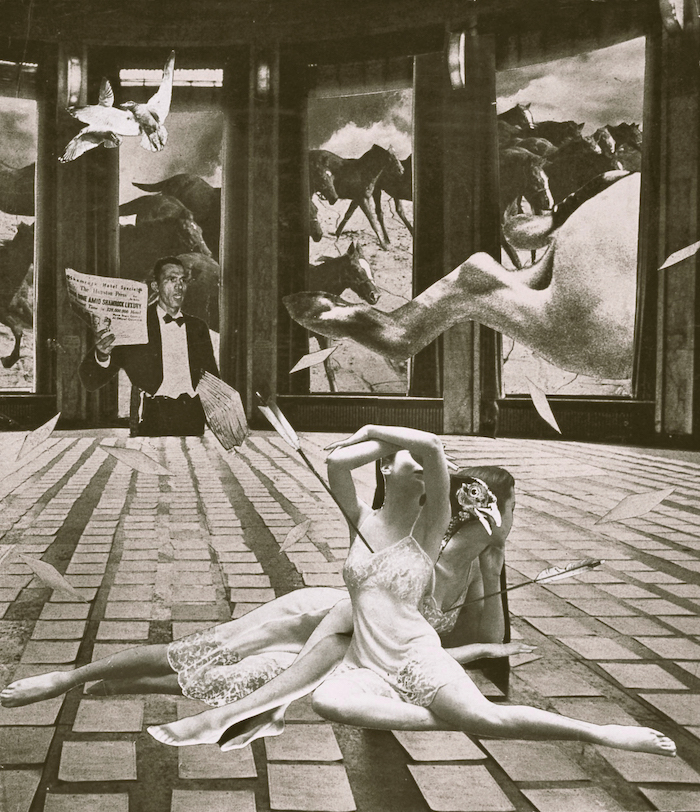
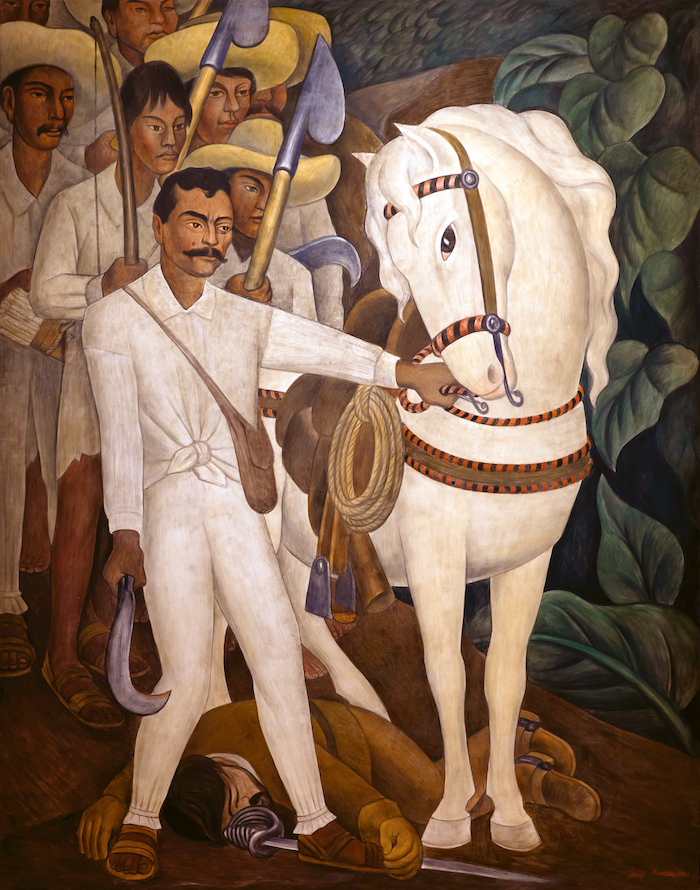
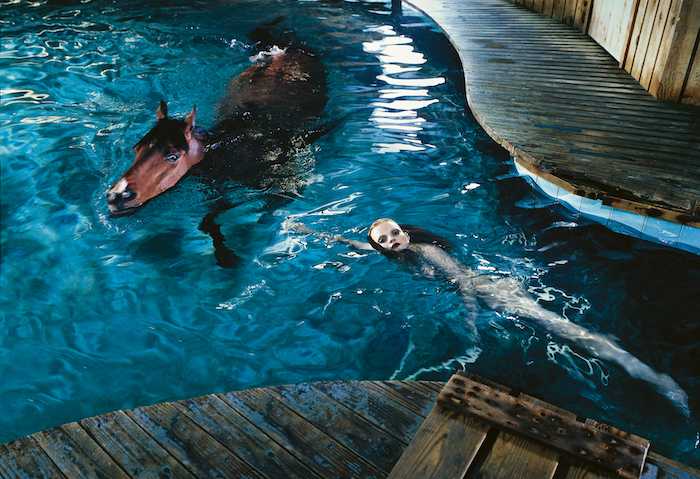
Blacks and Bays, Dapples and Greys: All the Pretty Horses in Art and Photography by Tiggy Maconochie (Rizzoli) Maconochie approaches our enduring fascination with the horse from an unexpected angle, assembling artists rarely associated with equestrian imagery. Organized around nine themes, this imaginative survey moves freely among painting, photography, performance, sculpture, poetry, and video, revealing the animal as symbol, companion, spectacle, and psychological presence. Works by Marina Abramović, Man Ray, Lucian Freud, Nan Goldin, Georgia O’Keeffe, and others make for surprising visual conversations, while Maconochie provides the stories behind their creation. With a foreword and film stills by Tracey Emin, the result is an unconventional and often provocative reconsideration of one of art’s oldest subjects.
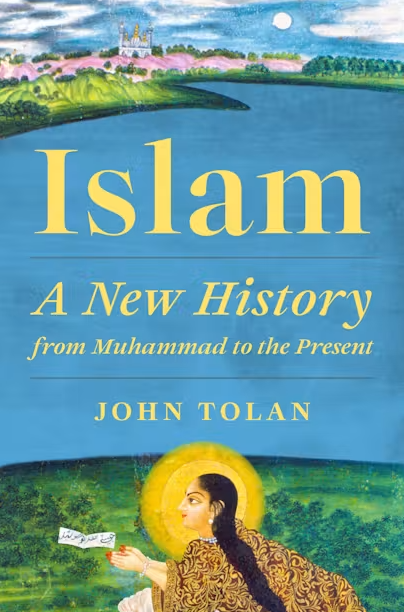
Islam – A New History by John Tolan (Princeton) dispenses with the notion of Islam as a monolithic tradition, instead presenting fourteen centuries of remarkable evolution, exchange, and internal debate. Drawing on recent scholarship, he returns to seventh-century Arabia to examine a faith developing amid Jewish, Christian, Persian, Greek, and other influences before following its extraordinary expansion across languages, cultures, and continents. Legalists, mystics, reformers, and feminists emerge within a tradition continually interpreting and reinventing itself. Lucid and refreshingly free of polemic, the book provides valuable historical context for contemporary disputes over Sharia, gender, democracy, and identity, revealing not one immutable Islam but a multitude of lived Islams.
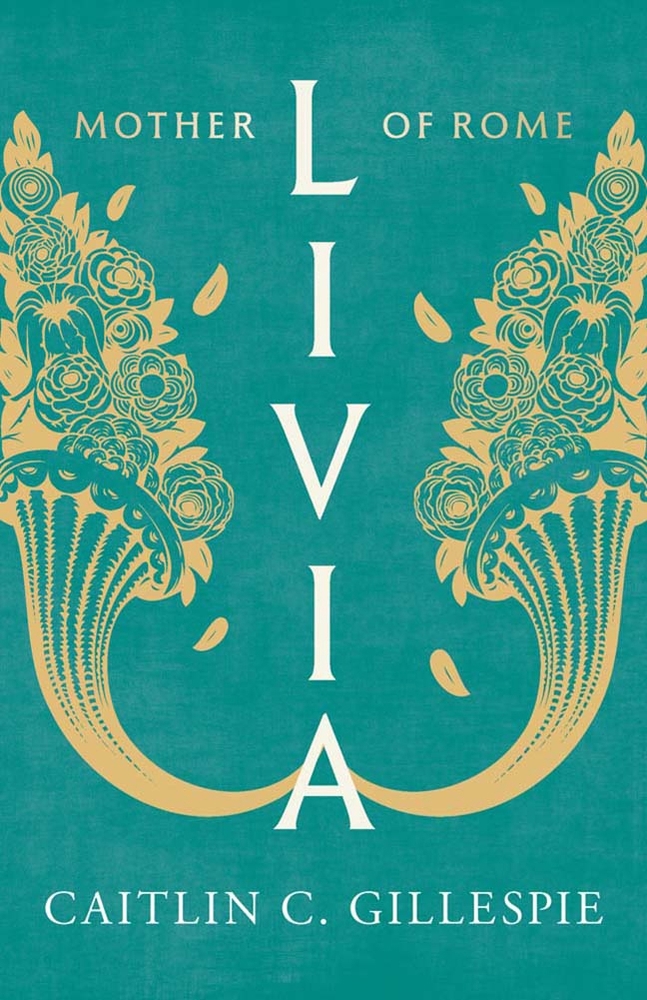
Livia: Mother of Rome (Ancient Lives) by Caitlin C Gillespie (Yale) Gillespie rescues Livia from two millennia of gossip, suspicion, and convenient villainy to reveal a formidable woman navigating power in a society determined to deny her any officially. Wife of Augustus and mother of Tiberius, she occupied an unparalleled position at the birth of the Roman Empire, exercising influence through family, wealth, religion, and political instinct. Drawing on literary and archaeological evidence, Gillespie balances public ambition with private loss, including the death of Livia’s son Drusus. The result is a vivid, nuanced portrait of Rome’s original First Lady and the complicated mechanics of female power.
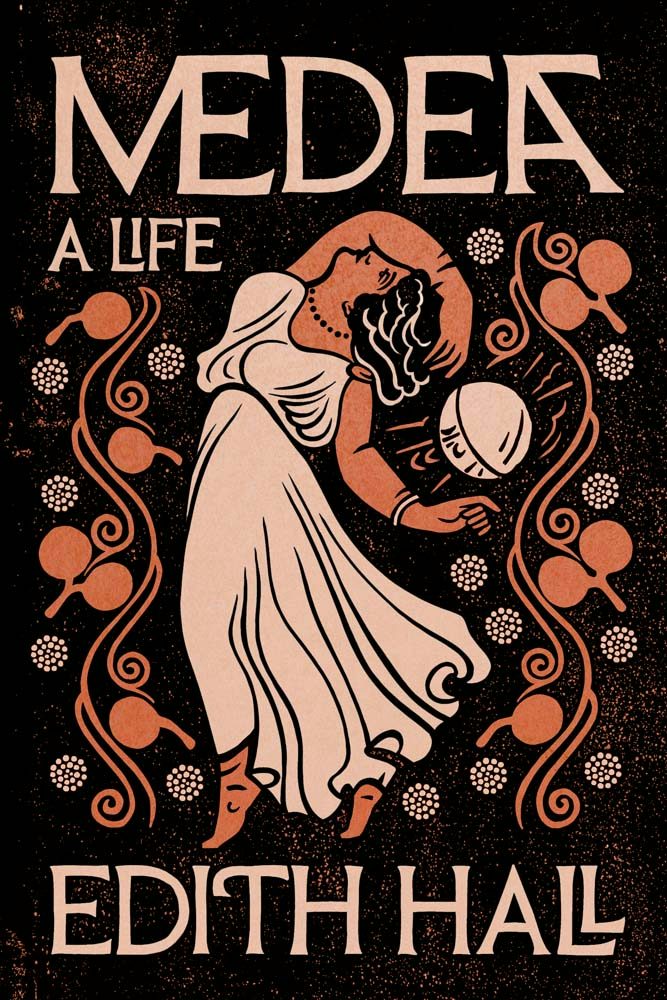
Medea: A Life by Edith Hall (Yale) Few women in mythology have been condemned as completely as Medea, the mother who murdered her own children. This fascinating reassessment looks beyond the monster to the exile, outsider, and formidable woman beneath the legend. Edith Hall follows her from the Black Sea through her flight with Jason, political intrigue, murderous revenge, and final exile in Athens, even considering whether a historical figure might lie behind the myth. Scholarly yet propulsive, the book places migration, betrayal, and female agency at the story’s center, restoring complexity without absolution to a figure whose unsettling grip on the imagination has endured for millennia.
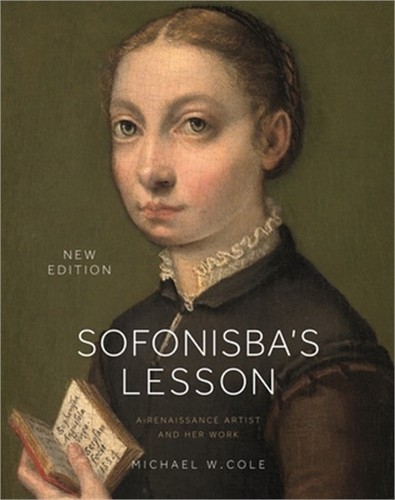
Sofonisba’s Lesson, New Edition: A Renaissance Artist and Her Work by Michael W. Cole (Princeton) Michael Cole’s expanded study restores Sofonisba Anguissola to her rightful place among the great innovators of the Renaissance. Far more than a biography, the book examines how her career challenged assumptions about women’s education, artistic authorship, and creative ambition in sixteenth-century Europe. New scholarship revisits disputed works while illuminating Anguissola’s pioneering use of self-portraiture, family subjects, and religious themes shaped by the Catholic Reformation. Anchored by a comprehensive illustrated catalogue of more than 200 paintings and drawings attributed to her over the centuries, this definitive volume reveals an artist whose influence has only recently begun to receive the recognition it deserves.
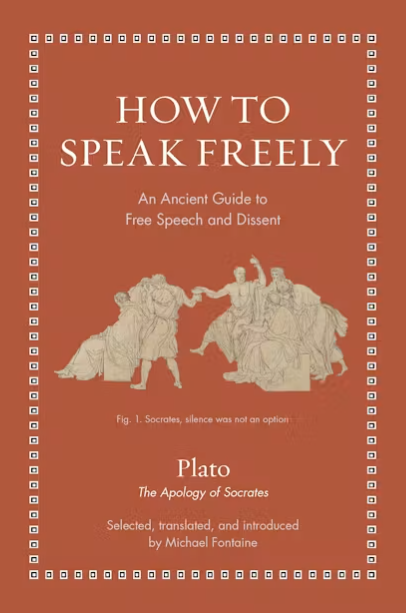
How to Speak Freely: An Ancient Guide to Free Speech and Dissent (Ancient Wisdom for Modern Readers) by Plato (Author), Michael Fontaine (Translator) (Princeton) At a moment when the boundaries of acceptable speech are once again fiercely contested, a trial held in Athens more than two millennia ago feels startlingly immediate. This lively new translation of Plato’s Apology presents Socrates as the enduring embodiment of intellectual independence, willing to surrender his life rather than temper an unpopular conviction. Lucian’s wonderfully irreverent The Gods in Council provides a shrewd counterpoint, testing tolerance through satire and the thorny question of who deserves a platform. With illuminating commentary and facing-page Greek, this elegant volume reminds us that free speech has always carried both a price and a provocation.
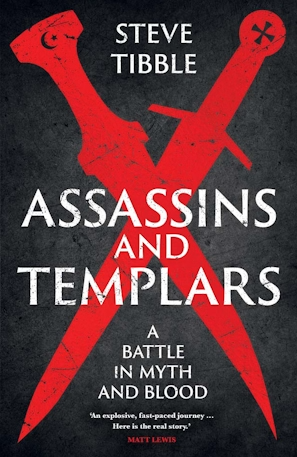
Assassins and Templars: A Battle in Myth and Blood by Steve Tibble (Yale) Sworn enemies, secretive brotherhoods, political murders, and holy war give this history the ingredients of a medieval thriller. Yet Steve Tibble looks beyond the mythology surrounding the Assassins and Templars to examine two radically different organizations that developed surprisingly comparable methods of survival. Outnumbered and perpetually threatened, each turned the calculated embrace of death into a formidable weapon, whether through an Assassin’s blade or a Templar cavalry charge. Brisk and absorbing, the book follows their rise and destruction while separating historical reality from centuries of legend, revealing why these adversaries remain inseparable in popular imagination, conspiracy theory, and contemporary culture.

