
With Cocuzè, founder Hemant Sahni brings Indian craft, conscious collecting, and the nourishing rituals of home together in a new vision of luxury.
A beautiful home can impress us in an instant. It takes something more for it to remain with us. We remember the rooms in which the light fell gently, where objects appeared to have found their place over time rather than arrived all at once. We remember the coolness of stone beneath our feet, the warmth of wood touched each day, the particular glow of brass as it begins to surrender its polish to age. The most affecting interiors do not merely display taste. They acquire memory.
It is this more intimate understanding of beauty that animates Cocuzè, the Indian design house founded by Hemant Sahni. Pronounced Co-koo-zay, the name draws upon the idea of the cocoon: a place of shelter, restoration and transformation. Its world encompasses interior design, art, furniture, lighting, sacred objects and decorative pieces, but its larger ambition reaches beyond furnishing a room. Cocuzè asks what a home gives back to the people who live within it.


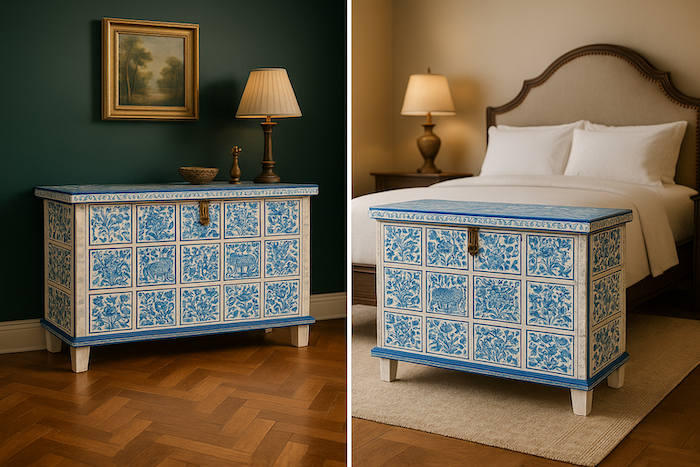

For Sahni, the answer lies in what he calls regenerative design. “Regeneration means creating products, experiences and relationships that leave people, culture, craftsmanship and nature richer than they were before,” he says.
It is an expansive definition, and deliberately so. At Cocuzè, regeneration is not presented simply as a matter of recycled materials or ecological certification. It is a philosophy that considers the life surrounding an object: the maker who fashioned it, the traditions carried through it, the home into which it will pass and the years it may remain there.
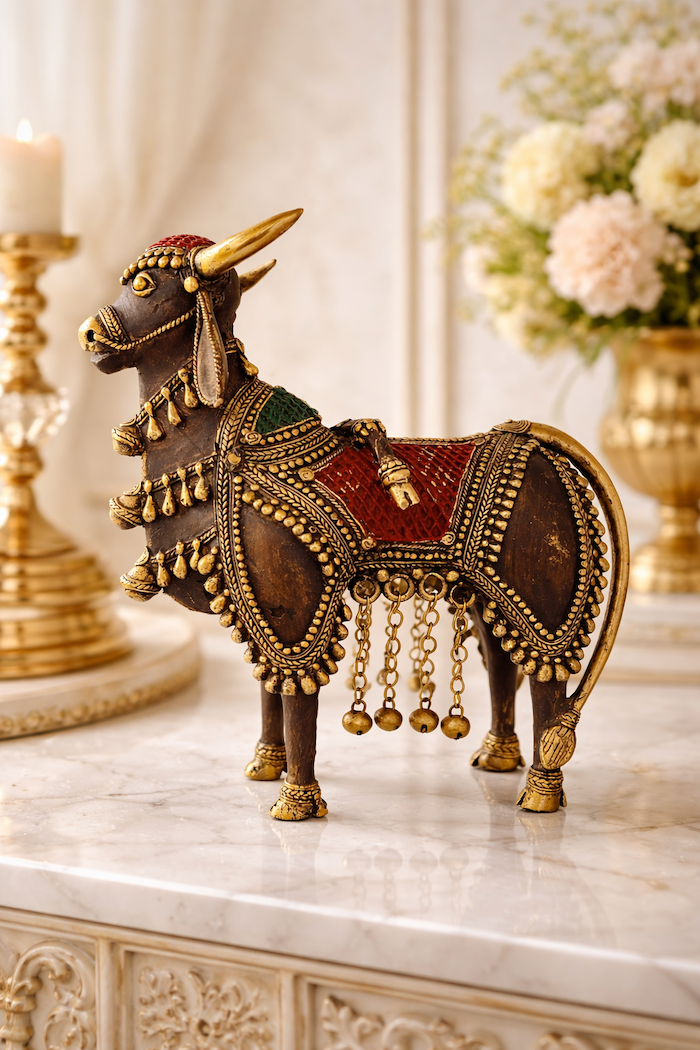
The idea begins with restraint. Rather than filling a house with ten things of little lasting value, Sahni advocates choosing one piece capable of deepening in beauty and meaning over time. Cocuzè calls these pieces modern heirlooms, not because newness can instantly confer ancestry, but because an heirloom begins with the decision to keep something. Across its collections are sculptural objects, paintings, lamps, furniture, pieces in wood, metal and stone, and sacred forms reinterpreted for contemporary interiors. The selection is eclectic but unmistakably Indian in its memory: patinated metals, hand-finished surfaces, mythic figures and traces of architectural and decorative traditions that predate the language of modern luxury.
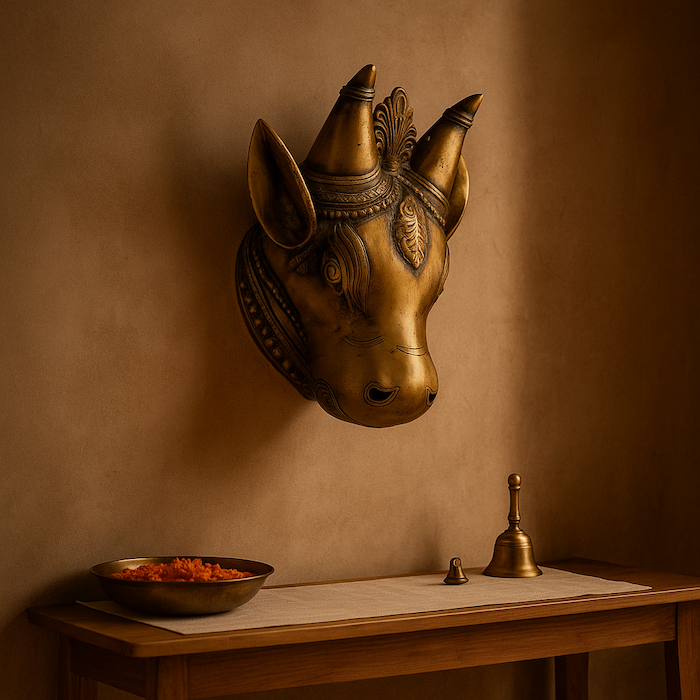

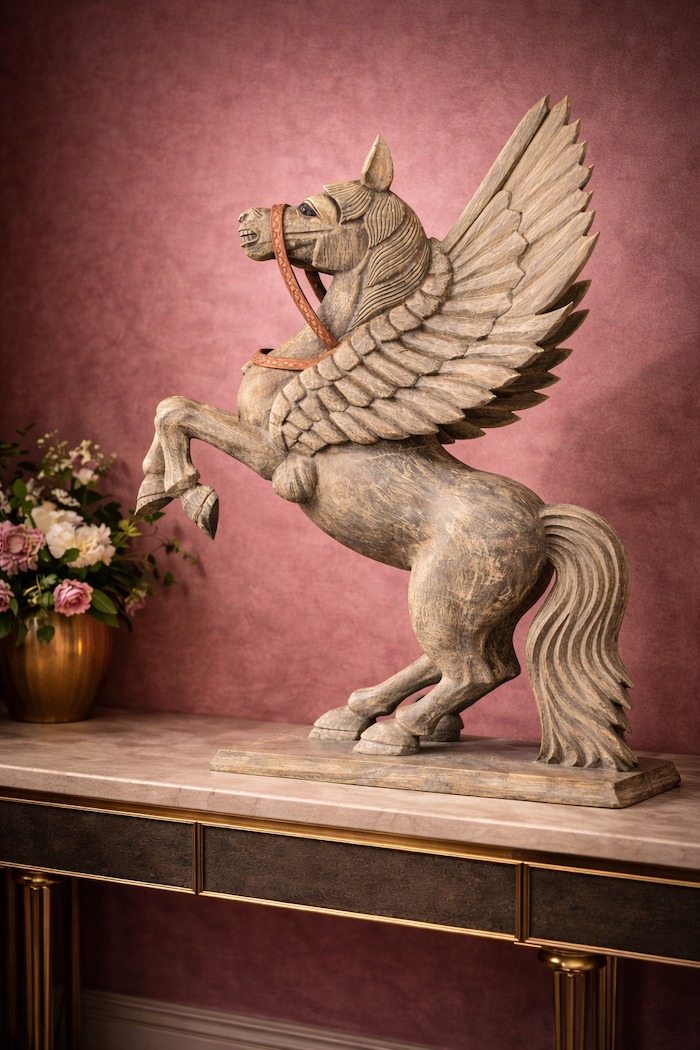

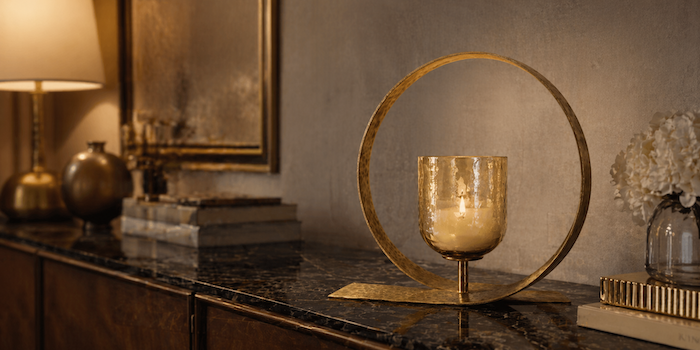
What saves the proposition from becoming an exercise in nostalgia is Cocuzè’s interest in collaboration. Sahni says the company purchases directly from artists and craftspeople without middlemen and pays them fairly. It also invites makers to attempt forms or techniques they may not have explored before, while Cocuzè assumes the expense of those experiments. That detail is important. Craft is too often spoken of as though it were something sealed behind glass, admired chiefly for its survival. Yet a tradition remains alive only when its practitioners are permitted to develop it. By underwriting experimentation, Cocuzè allows the artisan to take a creative risk without being asked to shoulder the financial one.
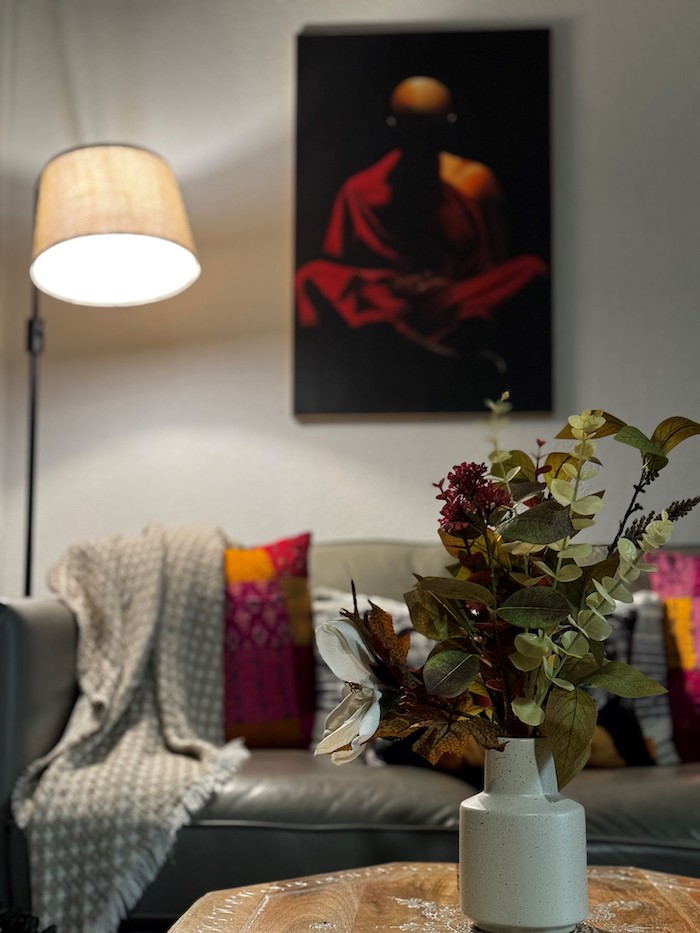
The company’s interiors follow a similar instinct. Existing furniture and family pieces are considered before new objects are introduced; heirlooms can be restored, repositioned or placed in dialogue with contemporary additions. Natural textures and materials are favoured, and the intention is to create rooms that appear collected rather than completed. This is luxury relieved of its anxiety to look new.
Sahni arrived at this point by way of a very different life. An alumnus of the Indian Institute of Management Calcutta, he spent years in international corporate leadership, moving through the United States, Europe and Africa. The travel gave him access to the visible rewards of professional success, but it also sharpened his attention to the experiences that escaped the boardroom: the atmosphere of a restaurant, the fall of light across a room, an object made by hand, the emotional charge of music or architecture.

While still working in the corporate world, he enrolled in design studies in London, fitting early morning classes and assignments around an already demanding schedule. Eventually, he left corporate life and returned to India, where encounters with the frescoes and lime-work of Shekhawati helped draw his attention toward older materials and forms of knowledge.
A course in permaculture at Geeli Mitti, near Nainital, widened that understanding. Sahni began to view a home not as an arrangement of discrete rooms, but as a living system in which light, air, water, food and human ritual are connected. Design, he concluded, should nourish.
That belief finds its most literal expression in Alimento, Cocuzè’s developing initiative devoted to growing, cooking and gathering. At present, Sahni describes it as operating “in small ways,” educating people about growing food in whatever domestic space is available to them. An apartment balcony or terrace may become a place for herbs, vegetables or edible plants; from there, the idea travels inward, toward the kitchen and ultimately the table. Alimento is still young, but its presence within a design house is revealing. It proposes that the life of a home does not end once the cushions have been arranged. It continues in what is watered in the morning, what is prepared for dinner, the vessels brought to the table and the people invited to sit around it.
For all its affection for traditional craft and slower rhythms, Cocuzè is not resistant to technology. Its augmented-reality function is already operational, allowing customers to view selected pieces within their own rooms through a mobile phone before making a decision. Private advisory services add a human conversation to the digital experience, helping clients consider scale, placement and compatibility rather than simply clicking an object into a cart. Sahni calls this “Intimate Commerce.” The phrase may sound like a contradiction in an age defined by speed and frictionless purchasing, but that is precisely the point. Cocuzè uses technology not merely to make consumption faster, but to introduce a pause before it—to help ensure that an object belongs before it is bought.
There is something quietly persuasive in the question at the heart of the enterprise. What might luxury become if it were judged not by how much it consumes, but by what it preserves? If an object could honour the hand that made it, enrich the room that receives it and grow more valuable through use rather than less? Perhaps the most meaningful things we bring into a home are not those that make it appear finished. They are those that allow its story to continue.
— Ghalib Dhalla
For more information, visit: https://cocuze.com/ or on instagram at https://www.instagram.com/cocuze_/
 indulge