
It was a crisp, star-pricked night at The Ford Theatre, the kind of Los Angeles evening that makes music feel elemental. The crowd buzzed with anticipation, but when the opening act Mehfil took the stage, any impatience for Ali Sethi melted into rhythm. The ensemble — mandolin, tabla, guitar, and Raja’s hypnotic, sensuous vocals — unleashed a pulsating set of Punjabi grooves so infectious that even the uninitiated swayed. It was the rare opening act that felt like a full concert in itself, one that lifted the audience into the exact mood where Sethi’s world begins — between tradition and transcendence.
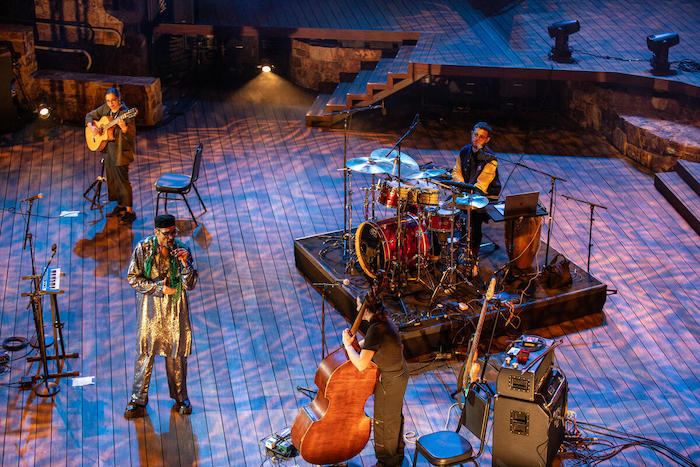
When Sethi finally appeared, glittering under the stage lights like a pop mystic, the night didn’t start so much as continue, seamlessly, into the shimmering territory of his Hindi and ghazal repertoire. With easy humor, political asides, and a scholar’s respect for his art form, Sethi reminded the crowd that he is not merely a singer but a cultural conduit. Each song unfolded with patience and fire: the ghazal reborn through a voice both steeped in classical mastery and tuned to the modern ear.
“Sethi carries centuries in his throat but sings for the now — proving that the ghazal’s heart still beats loud and global.”
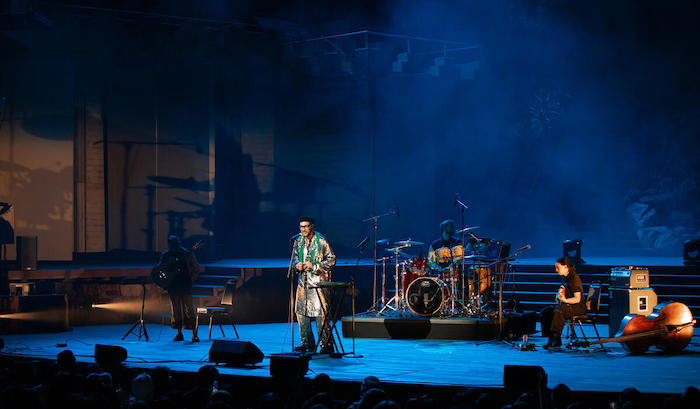
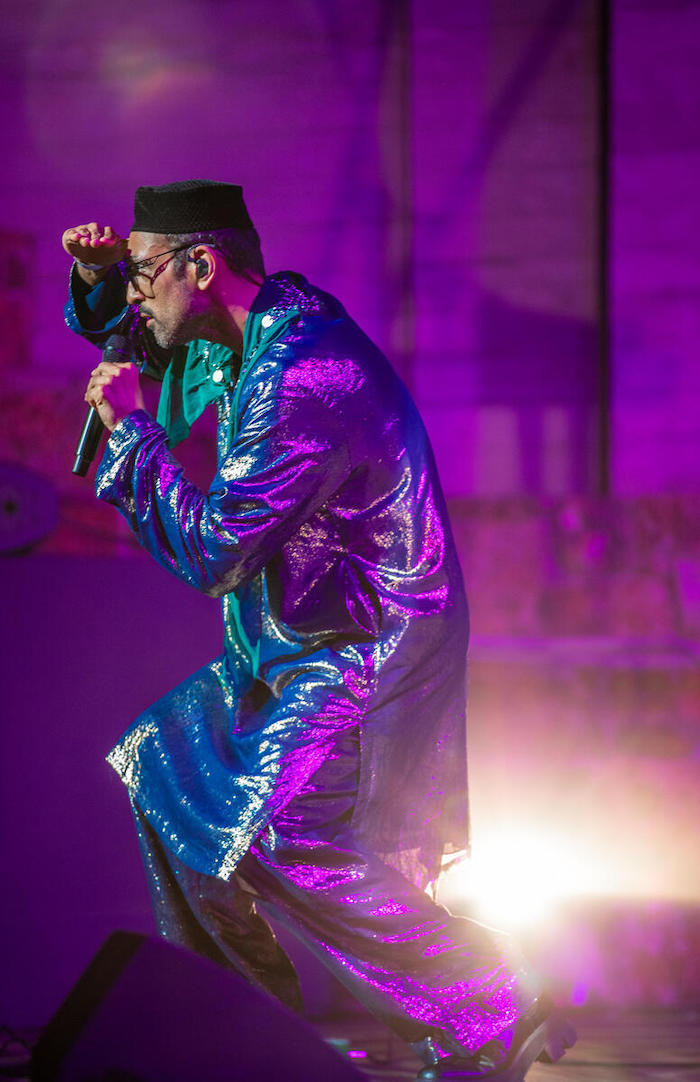
A medley of “dysfunctional” romance songs, anchored by the dreamy Bollywood classic “Yeh Sama,” showcased Sethi’s playful edge before he plunged into deeper emotional waters with “Ranjish Hi Sahi,” written by Ahmed Faraz and popularized by the Pakistani legend, Mehdi Hassan. The night built toward its inevitable climax with “Pasoori,” his global phenomenon that blends pop and folk into a single ecstatic pulse. By the end, the theater was transformed into a sea of dancing, clapping bodies, East and West collapsing joyfully into one beat.
Sethi’s gift is that he carries centuries in his throat but sings for the now. His voice — deep, precise, ecstatic — bridges languages and eras, proving that the ghazal’s heart still beats loud and global.
— Ghalib Dhalla
For more information on Ali Sethi visit https://alisethi.info/
For more on the Ford theater, visit https://www.theford.com/
 indulge