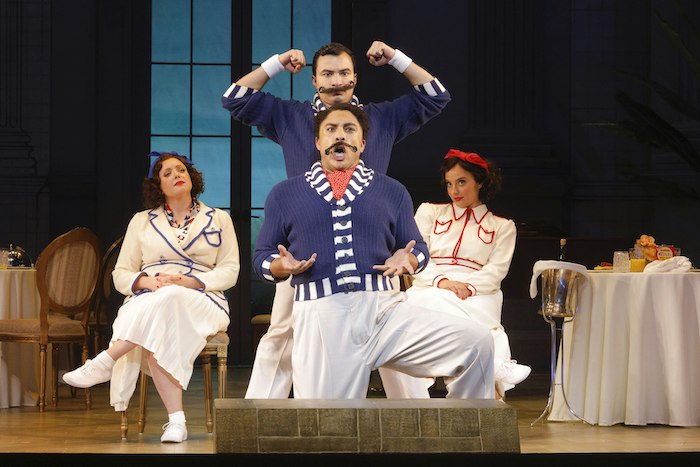
Mozart’s Così Fan Tutte has long been a paradox in the operatic canon: at first glance, a lighthearted farce about love and fidelity, yet beneath its silken melodies and comic deceptions lies an unsettling meditation on the capriciousness of human nature. Written within two years of the composer’s untimely death, Così may appear to be a mere social anecdote on the supposed fickleness of women, but in truth, its cynicism spares no one—men and women alike are pawns in love’s great masquerade. If Mozart’s music reveals anything, it is not judgment, but rather a profound understanding of how fragile our affections truly are.
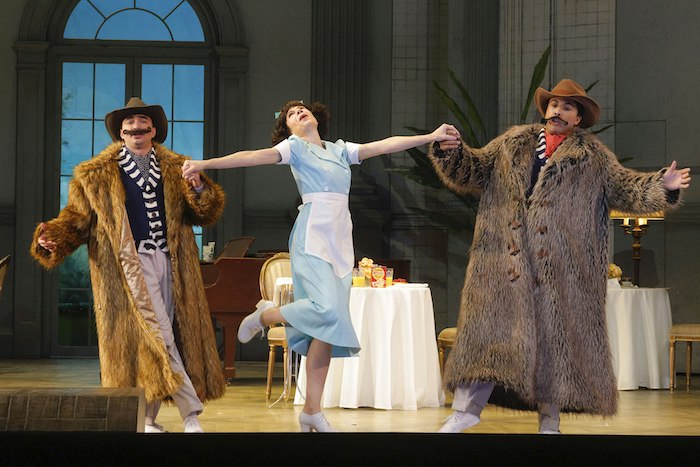
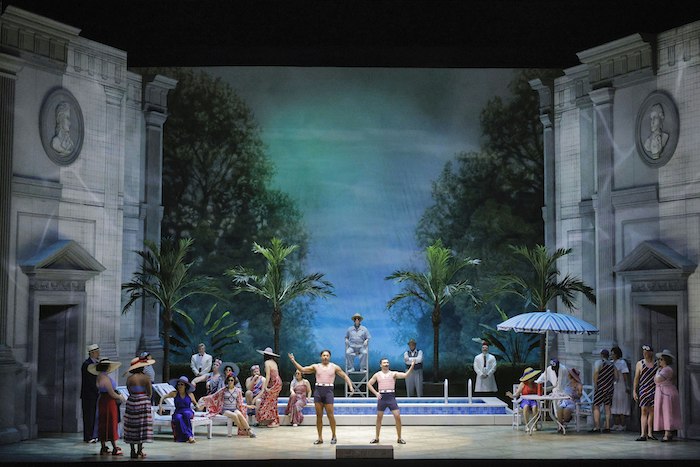
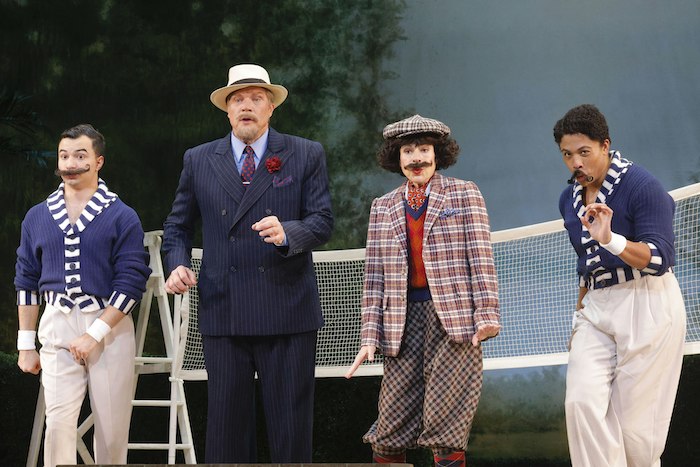
In LA Opera’s dazzling new production, director Michael Cavanagh trades 18th-century Naples for the glittering revelry of 1930s America, recasting the story among the well-heeled elites of the fictional Wolfbridge Country Club. This is Così Fan Tutte in full Jazz Age splendor, a staging where privilege, champagne, and hedonism flow as freely as Mozart’s music. Erhard Rom’s set design is pure eye candy, conjuring a world of lush, Gatsbyesque opulence, while Constance Hoffman’s costumes eschew traditional frock coats and corsets for a sprightly, fashion-forward kaleidoscope of 1930s couture. The effect is immersive, transporting the audience into an era where leisure and excess reign supreme—until, of course, love’s cruel experiment begins.
“An exceptional ensemble, each performer a masterful singer and actor in their own right.”
Yet as breathtaking as the production is visually, it is the cast that truly astonishes. There is no weak link here, no single star overshadowing the rest—rather, this Così thrives on an exceptional ensemble, each performer a masterful singer and actor in their own right. As friends Ferrando and Guglielmo, two idealistic young officers who set out to prove their fiancées’ unwavering fidelity, tenor Anthony León and baritone Justin Austin bring irresistible charisma to their roles. While their initial confidence is absolute, their journey through disguise, deception, and self-doubt makes for some of the opera’s most fascinating emotional shifts. Austin’s warm, velvety baritone pairs beautifully with León’s bright, agile tenor, and the two singers take turns leaving the audience spellbound. If one moment could be singled out, it would have to be León’s achingly tender rendition of Un’aura Amorosa—a vocal feat that, for all his smaller frame, fills the hall with an astonishing depth of feeling, leaving us, well, breathless.
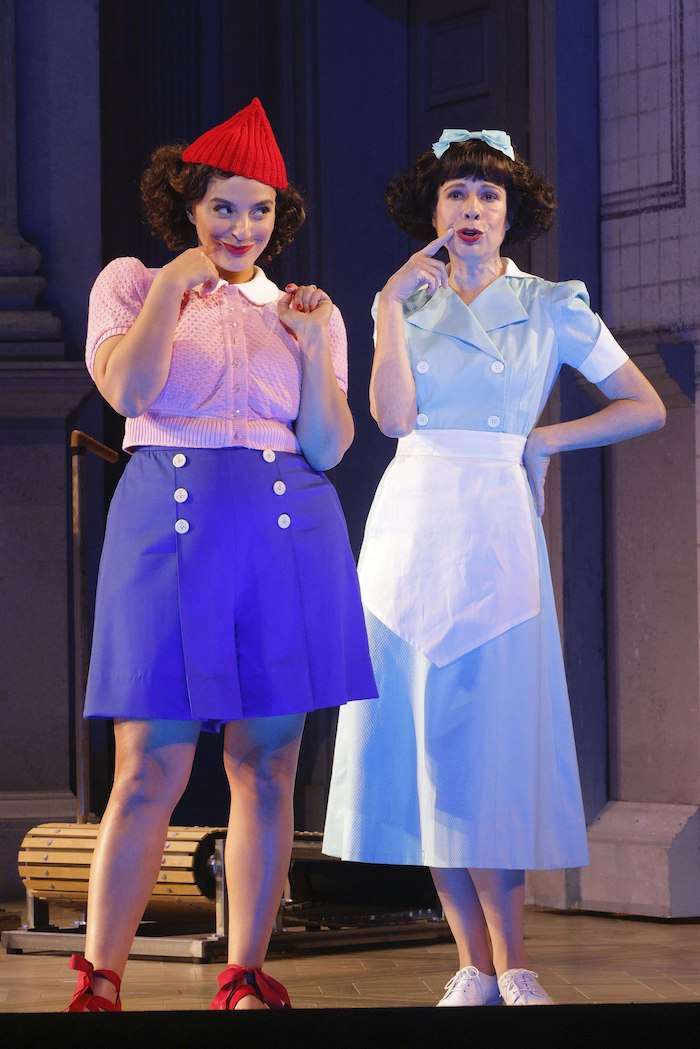
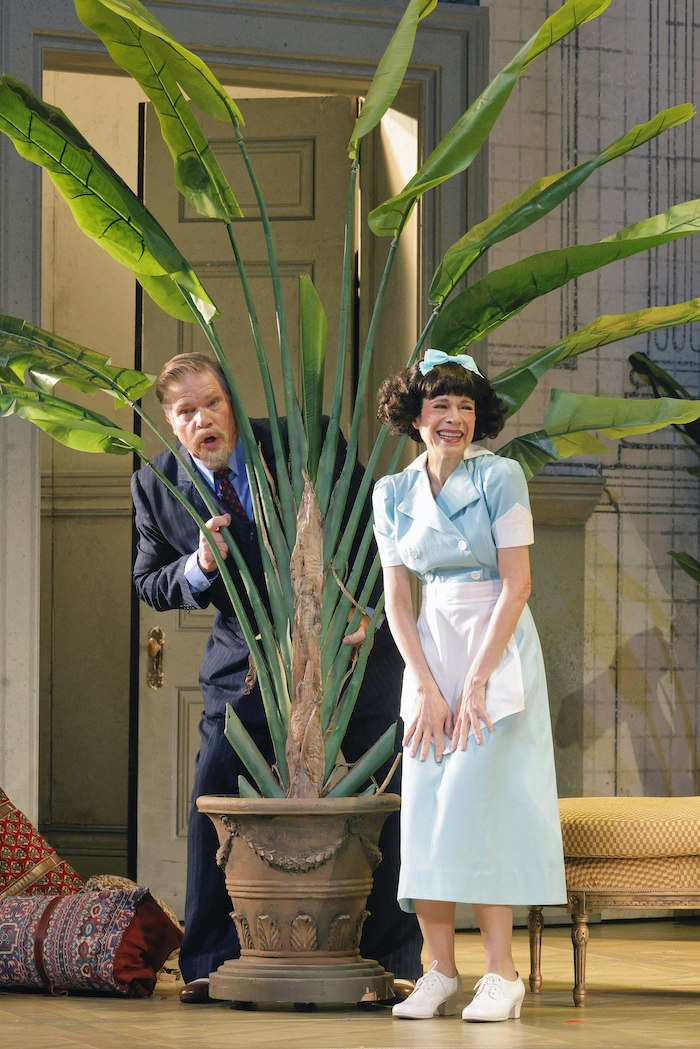
As the deceived yet ultimately complicit sisters, soprano Erica Petrocelli (Fiordiligi) and mezzo-soprano Rihab Chaieb (Dorabella) are equally superb, reveling in the opera’s comic extremes while never losing sight of its deeper emotional stakes. Their exaggerated swooning, wailing, and lovesick pining are deliciously theatrical, a perfect blend of tragic glamour and screwball comedy. And veteran baritone Rod Gilfry as the mischievous and manipulative Don Alfonso oozes style and confidence.
But if there is a true show-stealer in this production, it is Ana María Martínez as the maid Despina. With impeccable comedic timing and a vocal dexterity that effortlessly navigates Mozart’s intricate writing, Martínez turns Despina into a force of nature, a cunning puppeteer who delights in the chaos she helps orchestrate. Whether disguised as a flamboyant doctor or a suspiciously untrustworthy notary, she brings an almost vaudevillian physicality to the role, elevating the farce to an even more delightful level.
In an opera that questions whether love is genuine or merely a trick of circumstance, Cavanagh’s production leans into the humor but never lets us forget the sting of its cynicism. The final moments—where the characters, having played the game, must now face its consequences—are left tastefully ambiguous. Do they return to their original lovers? Has the ruse unraveled their affections beyond repair? The answer, much like love itself, is as elusive as the beautiful melodies that linger long after the curtain falls.
If Mozart’s genius lies in exposing human folly with music of transcendent beauty, LA Opera’s production, conducted by the legendary James Conlon, honors that spirit in every note. Playful yet profound, visually sumptuous yet emotionally astute, this is a production that reminds us why Così remains one of the most deceptively complex—and endlessly fascinating—operas ever written.
— G. Dhalla
 indulge